

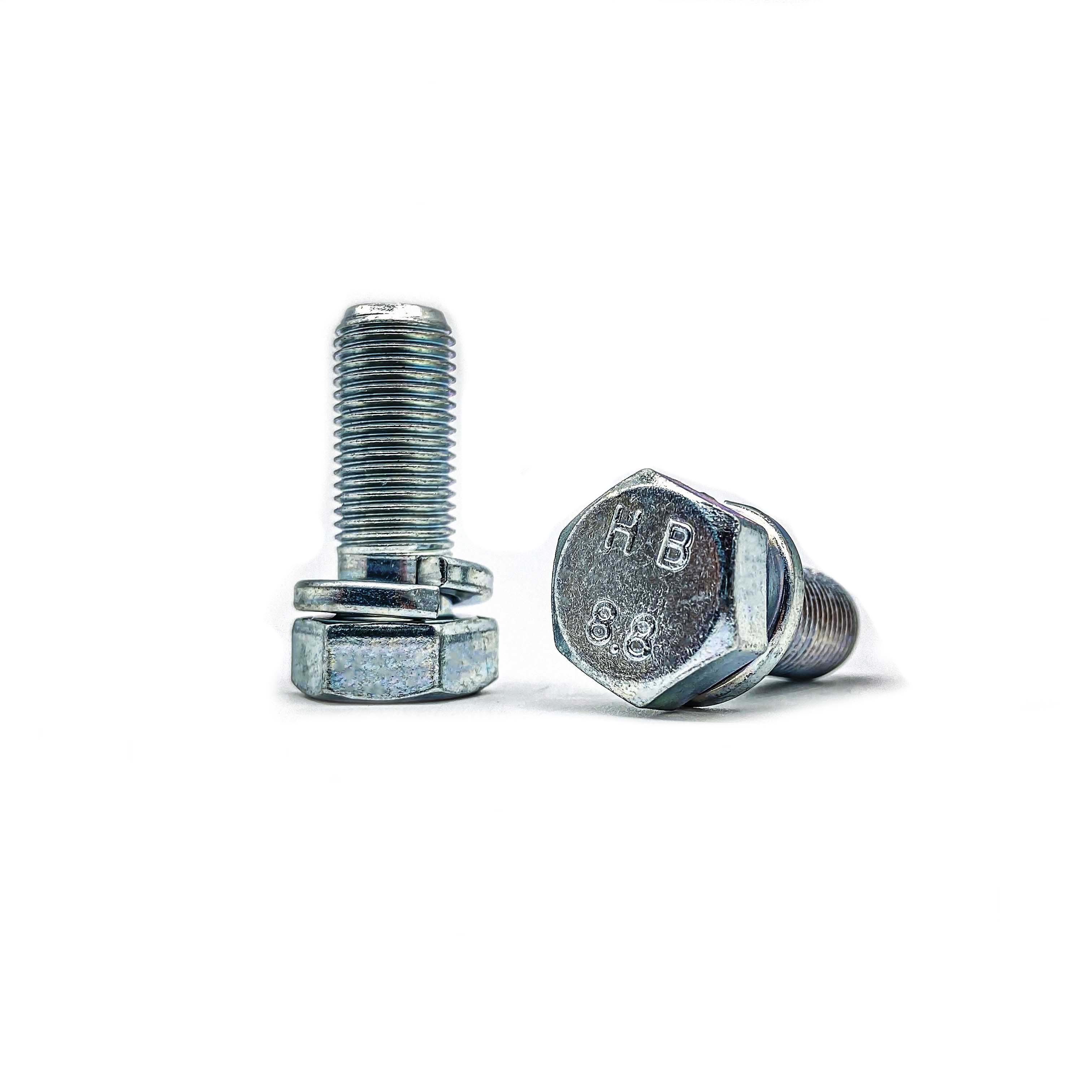
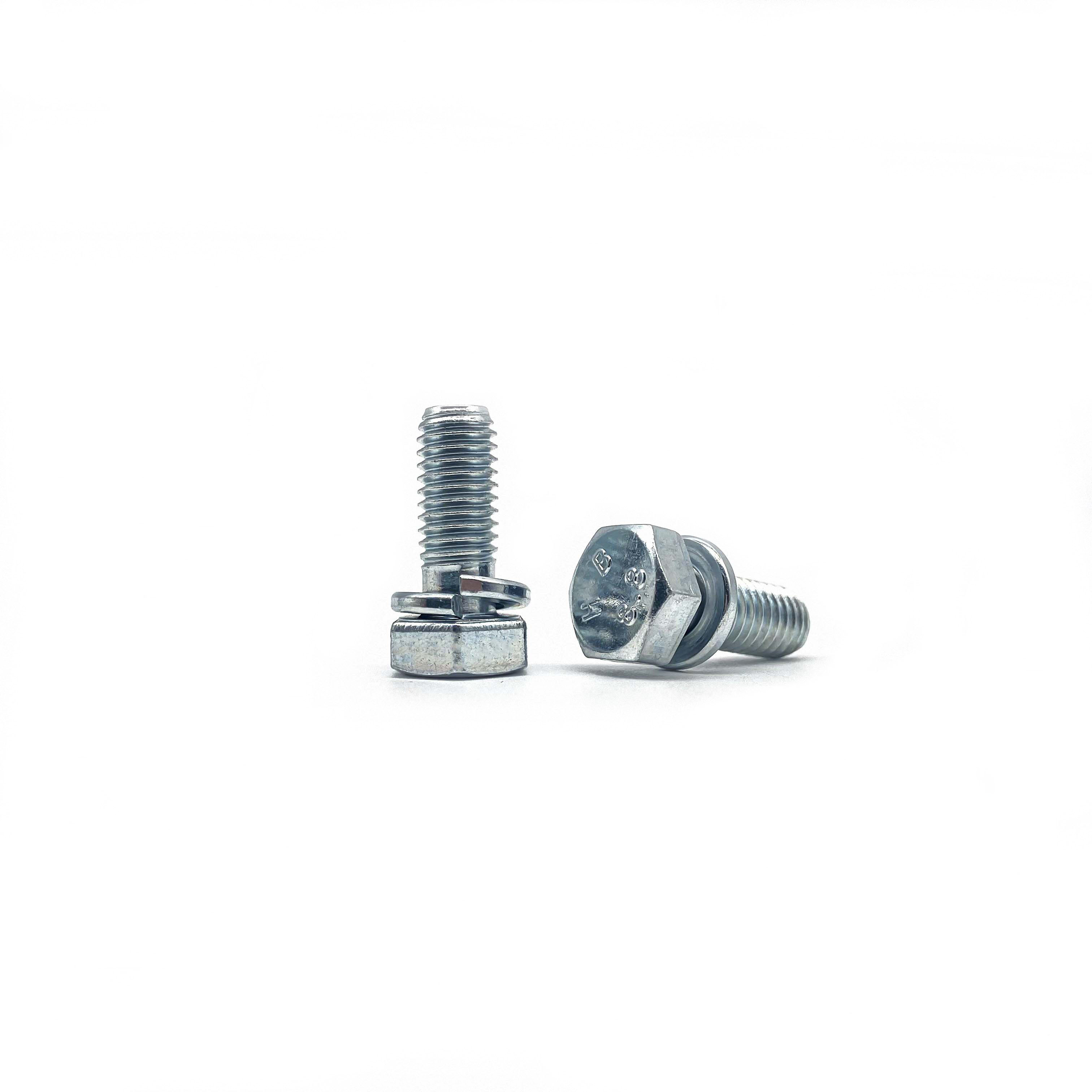
Double-headed stud-non-standard LJ479QE2-1006001AA M6 × 18.5-8.8-environmentally friendly color zinc
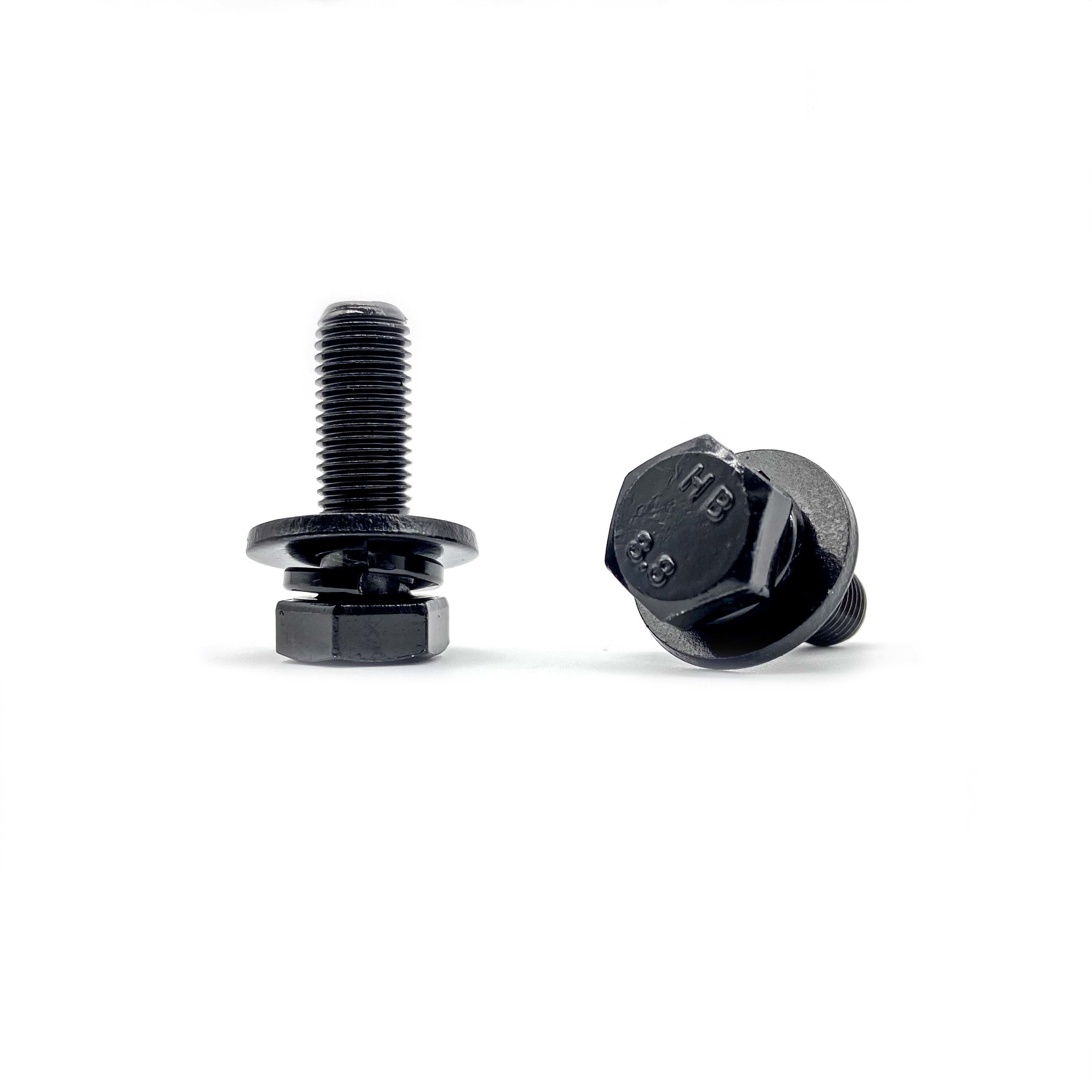
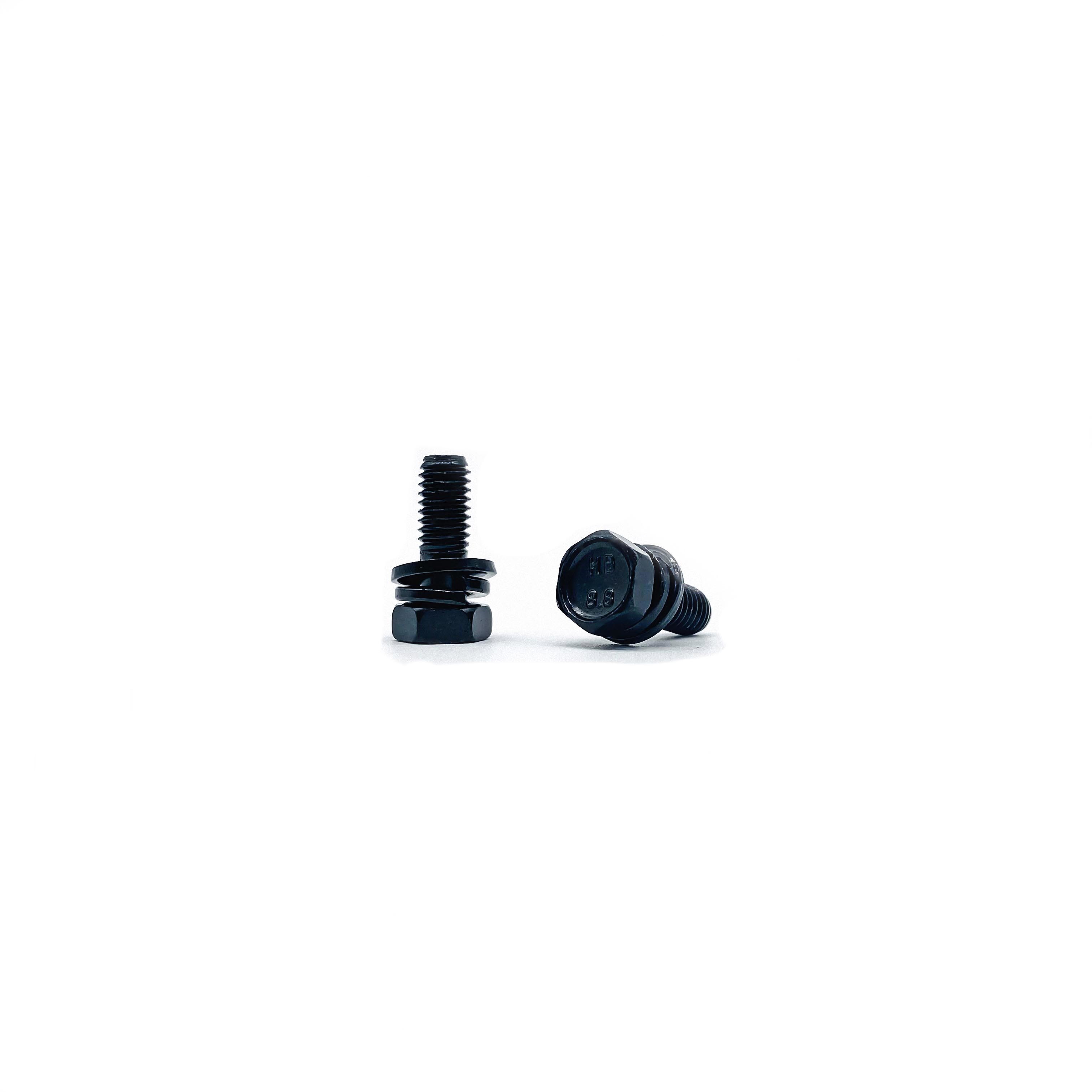
The hexagon head spring flat combination bolt is a kind of fastener with special design, which is mainly composed of hexagon head bolt, spring washer and flat washer. This kind of combination bolt has a wide range of applications in many fields, especially where high strength and stable connection are required.
Keywords
Fasteners/Guangxi Fasteners/ Liuzhou Fastener/ Overseas Chinese Fasteners
Classification
Product Details
A stud is a cylindrical fastener characterized by threads at both ends. This design enables the double-ended stud to be widely used in various fields, including but not limited to electric power, chemical industry, oil refining, valves, railways, bridges, steel structures, automobile and motorcycle accessories, machinery, boiler steel structures, pendants, large-span steel structures and large buildings.
The connection structure of the double-headed stud is composed of two thread precursors and a hollow stud. This structure is not only simple, but also easy to manufacture and process. During installation, the double-headed stud can be easily docked with the connecting part, resulting in greater fastening force than the general connection, and at the same time can effectively prevent loosening and vibration. In addition, the double-headed stud is not limited by the shape and size of the connecting piece, and has the characteristics of strong versatility.
Compared with traditional bolts and screws, studs have many advantages, such as high strength, easy installation, time saving, flexible adjustment space and so on. Due to the double-ended structure of the double-ended stud, its strength has been improved, making it more stable and reliable under high pressure, heavy load and high vibration. At the same time, the double-headed stud can be separately welded to an object before assembly, and assembled with another object as a component, which greatly reduces installation time and cost.
However, studs also present some limitations. For example, its strength range is limited by the connection of two threaded rods, and when the stress state exceeds its strength limit, plastic failure may occur. In addition, the materials used for double-end studs are usually low carbon steel and alloy steel, which may not meet the engineering strength requirements under certain circumstances. At the same time, due to site conditions and improper operation, the prestress of the double-headed stud is difficult to be guaranteed.
In general, the double-headed stud is a powerful and widely used fastener. In practical applications, it is necessary to select the appropriate double-ended stud according to the specific working environment and needs, and follow the relevant installation and maintenance specifications to ensure its normal operation and long-term stability.
Previous article
Related Products
Get free product quotes
Our staff will contact you within 24 hours (working days). If you need other services, please call the service hotline:+860772-7507388

Mobile:+860772-7507388
Mailbox:yxxs@hqfastner.com
Address: No.8, Xingtai Road, Chuanshan Town, Liujiang District, Liuzhou City, Guangxi Province


-Add WeChat-

-WeChat Public Number-

-TikTok-
Copyright©2024 Liuzhou Overseas Chinese Fastener Co., Ltd. All Rights Reserved. | SEO Tags | Business License | city substation
